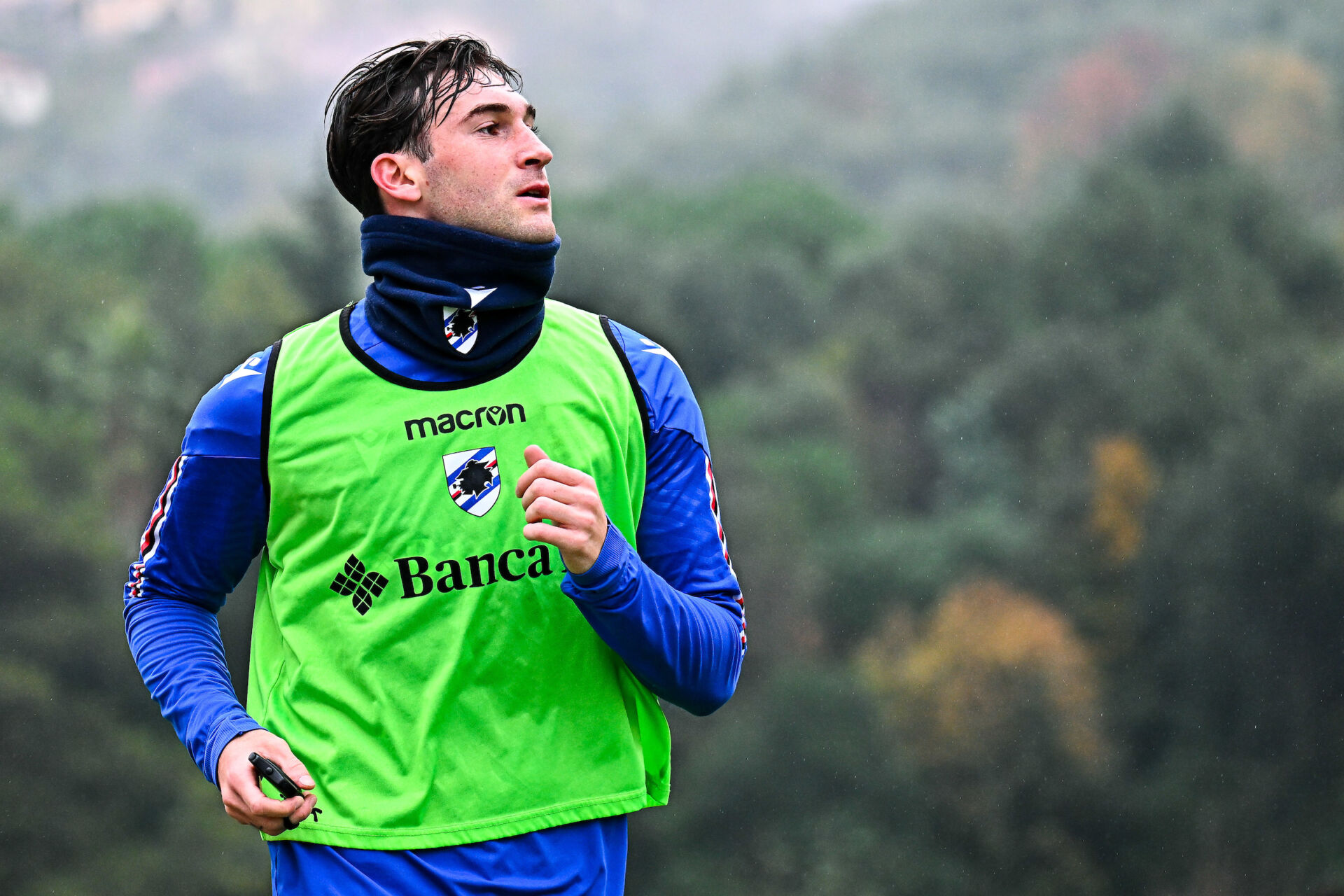
Sampdoria's "Two Speeds" Training: The Strategic Edge Against Frosinone
As the highly anticipated clash against Frosinone looms, U.C. Sampdoria is leaving no stone unturned in their meticulous preparation. Far from a one-size-fits-all approach, the Blucerchiati’s technical staff has once again implemented a sophisticated, differentiated training regimen, famously dubbed "due velocità" – or "two speeds." This nuanced strategy, crucial in the demanding modern football landscape, aims to optimize every player's physical condition and tactical readiness, ensuring the squad is primed for peak performance on match day.
The "sampdoria due velocità" method is a testament to contemporary sports science, recognizing that not all players bear the same physiological load from previous fixtures. It’s about tailoring the training intensity and focus to individual needs, preventing burnout for those who played extensive minutes, while simultaneously sharpening the skills and fitness of others. This balanced approach is critical for maintaining squad depth and overall competitiveness throughout a rigorous season.
The Core Philosophy of Sampdoria's "Due Velocità" Training
The essence of the "due velocità" system lies in its intelligent segmentation of the squad into two distinct groups, each undergoing a bespoke training program. This approach, observed during their recent sessions at Bogliasco and subsequently at the Park Hotel Mancini in Rome, underscores a forward-thinking coaching philosophy aimed at maximizing player well-being and on-field effectiveness.
Tailored Recovery: The First Speed
For the players who bore the brunt of the previous match (initially against Modena, then later against Juve Stabia as referenced for subsequent sessions), the priority is recovery and regeneration. These individuals engage in what is known as a "scarico" session – a low-intensity recovery workout. This typically involves:
- Light Aerobic Activity: Gentle jogging or cycling to promote blood flow and flush out metabolic waste products from the muscles, aiding in faster recovery.
- Dynamic Stretching and Mobility Work: To restore muscle length and joint range of motion, reducing stiffness and the risk of delayed onset muscle soreness (DOMS).
- Active Recovery Exercises: Designed to gently activate muscles without placing undue stress, aiding in quicker recuperation and mental freshness.
The benefits of this tailored recovery are manifold. It's not just about physical recuperation; it also provides a mental reset. By avoiding high-intensity drills immediately after a taxing match, players can return to full training with renewed energy and focus, significantly reducing the risk of injuries often associated with overtraining or insufficient recovery.
Sharpening the Edge: The Second Speed
The second group comprises players who either had less game time in the previous fixture, are returning from injury, or are deemed to have sufficient energy reserves for more demanding work. Their sessions are designed to maintain and enhance match sharpness, technical prowess, and tactical understanding. This involves a dynamic blend of activities:
- Technical Activation Drills: Focused on ball control, passing accuracy, and quick decision-making in confined spaces.
- Rondos (Torelli): Possession-based exercises that improve spatial awareness, quick passing, and defensive pressing under simulated game pressure.
- Shooting Practice: To hone striking technique, accuracy, and power from various positions, including game-like scenarios.
- Small-Sided Games (Partitelle su Spazi Ridotti): These high-intensity, condensed matches simulate game scenarios, improving tactical understanding, fitness, and competitive edge in tight spaces.
- Gym Work: Complementary strength and conditioning to build resilience, explosive power, and maintain overall physical conditioning.
Notably, even players on the path to recovery, such as Dennis Hadžikadunić, are gradually integrated into parts of these sessions, demonstrating the flexibility and individual focus of the "sampdoria due velocità" strategy. Hadžikadunić's partial involvement signifies a careful, phased return, allowing him to regain match fitness without jeopardizing his recovery process.
Strategic Rationale: Maximizing Performance and Mitigating Risk
The implementation of Sampdoria's "due velocità" method is not arbitrary; it's a meticulously planned strategy rooted in several key objectives that are paramount for success in competitive football:
- Individualized Player Management: Recognizing that each athlete's body responds differently to stress, this approach ensures that training loads are customized, preventing overtraining for some and undertraining for others. This personalization is key to unlocking individual potential.
- Optimal Physical Condition: By balancing recovery with high-intensity work, the team aims to have every player in their best possible physical state for the upcoming match. This means fresh legs for those who need them, and peak sharpness for those ready for it.
- Injury Prevention: This is perhaps the most critical benefit. Fatigue is a major precursor to injury. By managing player loads effectively, the technical staff significantly reduces the risk of strains, pulls, and other common football ailments, safeguarding the squad's long-term health and availability.
- Sustained Match Rhythm: Even players not starting regularly benefit from high-quality training sessions, ensuring they are always ready to step in and perform at the required level when called upon. This maintains a high standard across the entire squad, fostering a competitive internal environment.
- Mental Freshness: The varied nature of the training keeps players engaged and motivated. The tailored approach acknowledges the psychological impact of constant physical demands, offering periods of lower intensity to keep minds sharp and focused, crucial for high-pressure situations.
This dynamic approach allows the coaching staff to extract the maximum potential from every member of the squad, ensuring that Sampdoria is not only physically prepared but also tactically cohesive and mentally resilient. It's a progressive method that sets elite clubs apart in their pursuit of excellence.
Navigating the Road to Frosinone: Injuries and Final Preparations
Despite the sophisticated training methodologies, football inevitably brings its share of challenges, most notably injuries. Sampdoria is currently dealing with the absence of key players like Massimo Coda and Liam Henderson, both of whom are undergoing therapies. Their rehabilitation is a crucial aspect of the club's medical strategy, and while they are sidelined, the "two speeds" approach helps to manage the rest of the squad, preventing further setbacks and allowing others to step up into more prominent roles.
The build-up to the Frosinone match follows a carefully orchestrated timeline. After the intense afternoon session in Rome, Saturday morning is dedicated to the "rifinitura" – the final tuning session. This is a lighter, tactical workout designed to fine-tune last-minute strategies, set-pieces, and reinforce team shape without fatiguing the players. It’s the last chance for the technical staff to impart specific instructions and for the players to mentally rehearse their roles, ensuring every detail is covered.
Following the rifinitura, the squad will embark on their transfer to the pre-match retreat in the Frusinate area. This tradition is more than just travel; it's an integral part of team bonding and mental preparation. Being together in a focused environment helps players switch into match mode, concentrating solely on the task ahead. This period allows for final team meetings, individual reflection, and ensuring everyone is fully rested and focused for the Sunday afternoon kick-off at 15:00 at the atmospheric "Stirpe" stadium. This dual training strategy is not just for individual sessions but part of a holistic pre-match plan, encompassing every aspect of player readiness.
Frosinone Showdown: The Anticipated Impact of Sampdoria's Meticulous Prep
The upcoming match against Frosinone is more than just another fixture; it's a significant test for Sampdoria as they aim to consolidate their position or push for higher aspirations in the league. Frosinone, often known for their tenacity, direct play, and home advantage, will present a formidable challenge. How Sampdoria's "due velocità" training translates onto the pitch will be a fascinating aspect to observe for fans and analysts alike.
Fans can anticipate a Sampdoria side that is physically robust and mentally sharp. The players who underwent recovery sessions should exhibit renewed vigor, capable of maintaining high-intensity play for longer durations, particularly in the crucial late stages of the game. Simultaneously, those who engaged in more technical and tactical drills will be expected to display crisp passing, intelligent movement off the ball, and clinical finishing. The absence of Coda and Henderson will undoubtedly require others to step up, and the diversified training ensures that potential replacements are not only fit but also tactically prepared to fill the void effectively.
The effectiveness of this training philosophy isn't just about individual performance; it's about collective cohesion. A squad where every player is optimally conditioned contributes to seamless transitions between defense and attack, disciplined defending, and incisive attacking plays that can break down even the most stubborn defenses. The technical staff's ability to orchestrate such a complex training schedule reflects their deep understanding of the physiological and psychological demands of professional football. For Sampdoria, this match is an opportunity to demonstrate the tangible benefits of their progressive and player-centric approach to preparation, turning their strategic training into a tactical advantage on the field.
In conclusion, Sampdoria's commitment to the "sampdoria due velocità" training strategy for the Frosinone match exemplifies a modern, scientific approach to football preparation. By meticulously balancing recovery with high-intensity skill work, and carefully managing player loads, the Blucerchiati are setting themselves up for success. This detailed, two-tier methodology is designed to ensure every player arrives at Stadio Stirpe in peak condition, physically and mentally ready to tackle the challenge head-on and fight for a crucial victory. The foresight and dedication of the coaching staff in implementing such a sophisticated plan could well be the decisive factor as Sampdoria continues its campaign, highlighting the ever-evolving nature of elite sports performance.