Sampdoria Splits Training: Recovery Focus for Key Players Amidst Crucial Fixtures
In the demanding world of professional football, where match schedules are relentless and player welfare is paramount, U.C. Sampdoria has adopted a sophisticated and highly effective training methodology. This innovative approach, widely known as Sampdoria due velocità, or "two speeds" training, has become a cornerstone of their preparation, particularly as they navigate a challenging season in Serie B. Far from a one-size-fits-all regimen, this strategy meticulously divides the squad into two distinct groups, ensuring optimal recovery for those heavily involved in recent matches while simultaneously sharpening the skills and fitness of the rest of the team.
This dual-speed strategy underscores a modern understanding of sports science, acknowledging that not all players require the same intensity of training after a gruelling 90 minutes. Instead, Sampdoria's coaching and medical staff tailor sessions to individual needs, aiming to prevent injuries, accelerate recovery, and maintain peak performance levels across the entire squad. As the Blucerchiati prepare for vital upcoming fixtures, this adaptive training model proves instrumental in keeping their ambitions alive.
The Philosophy Behind Sampdoria's "Due Velocità" Training Model
The essence of the Sampdoria due velocità training lies in its intelligent differentiation. It's a strategic response to the physiological demands of competitive football, which dictates varied recovery times and training loads based on recent match participation. Instead of a blanket approach that could either overtrain fatigued players or undertrain those needing more intensity, Sampdoria’s staff meticulously categorizes the squad.
- The Recovery Group: This segment comprises players who logged significant minutes in the most recent game, for instance, against Modena or Juve Stabia. Their primary focus is active recovery, designed to flush out metabolic byproducts, reduce muscle soreness, and prepare their bodies for the next challenge without excessive strain.
- The Development & Conditioning Group: This group includes players who were less utilized in the previous fixture, those returning from injury, or individuals needing to enhance specific aspects of their game. Their sessions are more intensive, focusing on technical refinement, tactical understanding, and general conditioning.
This philosophy ensures that every player's training is purposeful and aligns with their current physical state and role within the team. It’s a testament to Sampdoria's commitment to leveraging sports science for sustained performance, allowing them to maximise the readiness of their entire roster for the rigours of the league.
Tailored Recovery: Safeguarding Sampdoria's Key Contributors
For the players who bore the brunt of recent competitive action, such as the hard-fought encounters against Juve Stabia or Frosinone, Sampdoria's "due velocità" approach prioritises careful regeneration. These individuals typically engage in what the club refers to as a "scarico" session – a low-intensity, active recovery workout. This usually involves:
- Light Cardiovascular Work: Gentle jogging or cycling to promote blood flow and aid muscle repair without adding stress.
- Regeneration Exercises: Stretching, foam rolling, and mobility drills to improve flexibility and reduce muscle stiffness.
- Gym-based Recovery: Some players might undertake light resistance work or specific exercises aimed at core stability or injury prevention, all under the watchful eye of the physical conditioning staff.
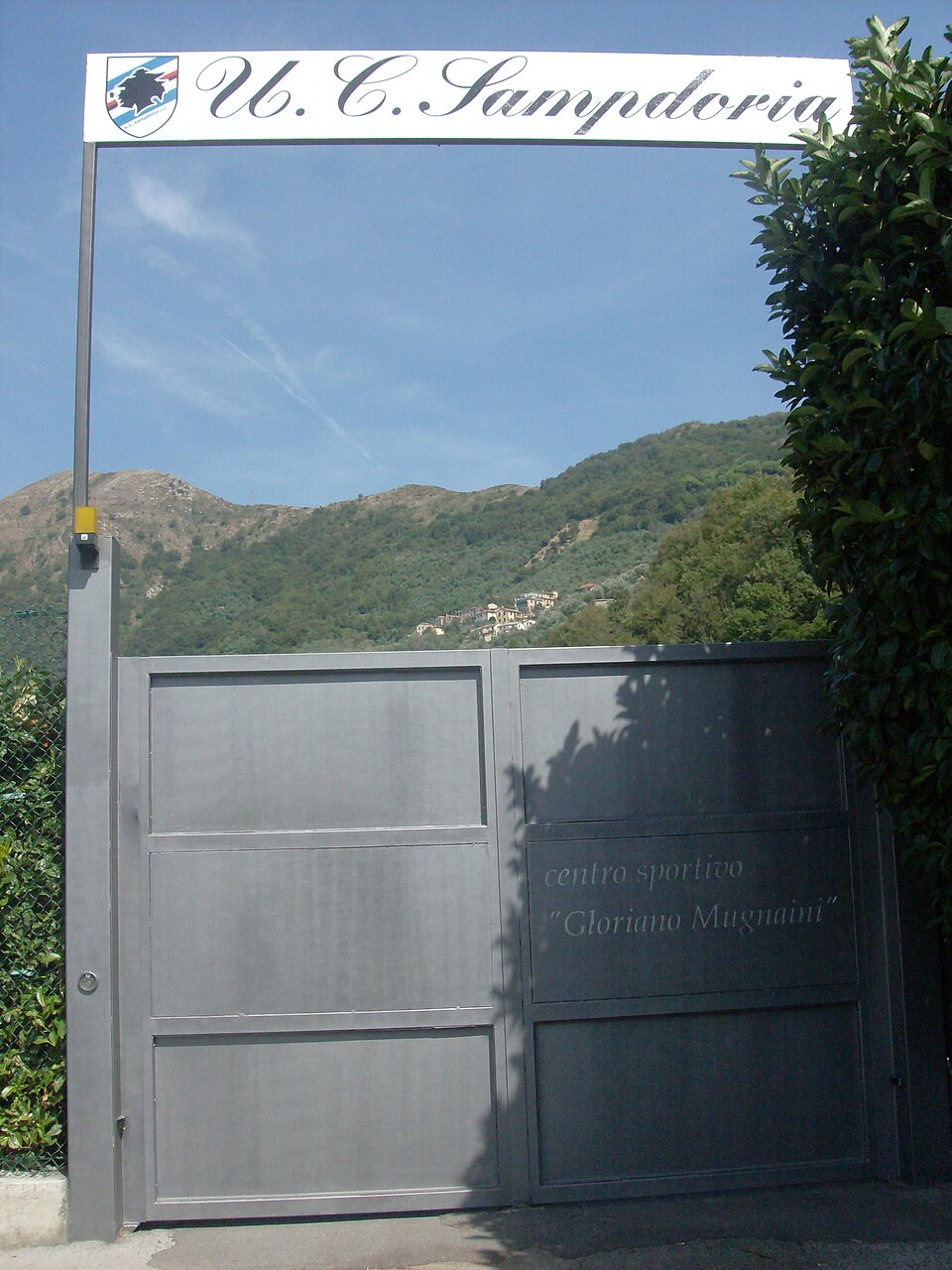
The importance of this tailored recovery cannot be overstated. Active recovery has been scientifically proven to be more effective than passive rest in accelerating the removal of lactate and other waste products from muscles, thereby reducing delayed onset muscle soreness (DOMS) and facilitating a quicker return to peak performance. This proactive management of player fatigue is crucial in preventing overload and reducing the risk of soft tissue injuries, especially during periods of congested fixtures. Whether training at Bogliasco's Mugnaini sports centre or the Park Hotel Mancini in Rome during away preparations, the recovery group's regimen remains consistently focused on physical restoration.
Sharpening Skills: The Development Group's Intensive Regimen
While their teammates focus on recovery, the second group within Sampdoria's dual-speed training undergoes a more vigorous program. This intensive regimen is designed to maintain and improve technical proficiency, tactical awareness, and overall physical conditioning for those who are less fatigued or are working their way back to full match fitness. Their sessions are a blend of various football-specific drills:
- Technical Activation: Exercises aimed at warming up muscles and neurological pathways, often involving precise ball control and passing drills.
- Rondos (Torelli): Small-sided possession games that enhance quick passing, movement, and decision-making under pressure, fostering tight control and spatial awareness.
- Shooting Drills: Focused practice on finishing, including various scenarios and angles, crucial for maintaining sharpness in front of goal.
- Small-Sided Games (Partitelle su spazi ridotti): These mini-matches are vital for improving tactical understanding, defensive and offensive transitions, and anaerobic fitness in a game-like environment.
This comprehensive approach ensures that players not regularly featuring in the starting XI remain sharp and ready to step in at any moment. It also provides a crucial platform for younger players to develop and for those returning from injury to gradually re-acclimatize to the demands of competitive play. This focus on continuous development is essential for maintaining squad depth and ensuring that Sampdoria can call upon a fully prepared roster whenever needed.
Navigating Injuries and Integration: Key Players in Focus
The Sampdoria due velocità training strategy also plays a vital role in managing player injuries and facilitating their reintegration into the squad. The references highlight specific cases that underscore the personalized nature of this approach:
- Dennis Hadžikadunić: The defender's situation is a prime example of careful rehabilitation. Having completed a partial session with the more intensive group, he then transitioned to a personalised recovery path. This graduated return is critical for preventing re-injury and ensuring he regains full match fitness safely. His inclusion in part of the main session suggests he is nearing full readiness, a significant boost for the Blucerchiati's defensive options.
- Massimo Coda and Liam Henderson: Both players were undergoing therapies, indicating active treatment for their respective ailments. In professional football, therapies are not just about rest; they often involve specific exercises, manual techniques, and modern recovery modalities aimed at accelerating healing and restoring function. Their absence from on-field training means the medical staff are diligently working to get them back into contention as quickly and safely as possible.
The integrated approach between the coaching staff, medical team, and physical trainers is paramount. Each player’s recovery journey is unique, requiring constant assessment and adjustment. This meticulous attention to individual player health is a hallmark of top-tier football clubs and is crucial for Sampdoria as they aim to keep their key assets fit and available for the entirety of the season. To learn more about their strategic preparations, check out Sampdoria's "Two Speeds" Training for Frosinone Match and Sampdoria's Dual Training Strategy for Upcoming Challenges.
Strategic Preparation for Crucial Encounters
The consistent application of Sampdoria's dual-speed training method is not merely about managing individual players; it's a strategic decision that directly impacts team performance in crucial matches. Whether preparing for a home fixture at the Luigi Ferraris or an away trip, the "due velocità" approach ensures that the entire squad is in the best possible condition, both physically and mentally.
As the team transitions from intense training weeks to the immediate pre-match phase, the schedule adapts accordingly. For instance, an afternoon training session might be followed by a lighter finishing session on Saturday morning. This refinement session often focuses on set pieces, final tactical instructions, and a mental walkthrough of the game plan, ensuring players are both fresh and tactically prepared. Following this, the team usually travels to a pre-match retreat, such as their base in the Frusinate area when facing Frosinone, allowing for final preparations, team meetings, and focused rest before the big game. This meticulous planning, supported by the flexible "sampdoria due velocità" training model, is fundamental to Sampdoria's ability to consistently challenge their opponents and strive for success.
Conclusion
Sampdoria's adoption of the Sampdoria due velocità training approach is a prime example of a modern football club embracing sports science and player-centric strategies. By intelligently splitting their squad for differentiated training, the Blucerchiati ensure optimal recovery for their match-hardened veterans while simultaneously maintaining the sharpness and development of the wider squad. This proactive and personalized methodology is not just about avoiding injuries; it's about maximizing every player's potential, fostering a deep and well-prepared squad, and ultimately, positioning the team for success in a demanding league. As Sampdoria continues its journey, this commitment to intelligent training will undoubtedly be a key factor in their pursuit of their seasonal objectives, demonstrating a forward-thinking approach that prioritises both immediate performance and long-term player welfare.